


Financial technology has finally come of age. But that doesn't mean recognizing that opportunity isn't a process. What are the top steps financial leaders should take to maximize today's potential? Make sure your team is appropriately upskilled.
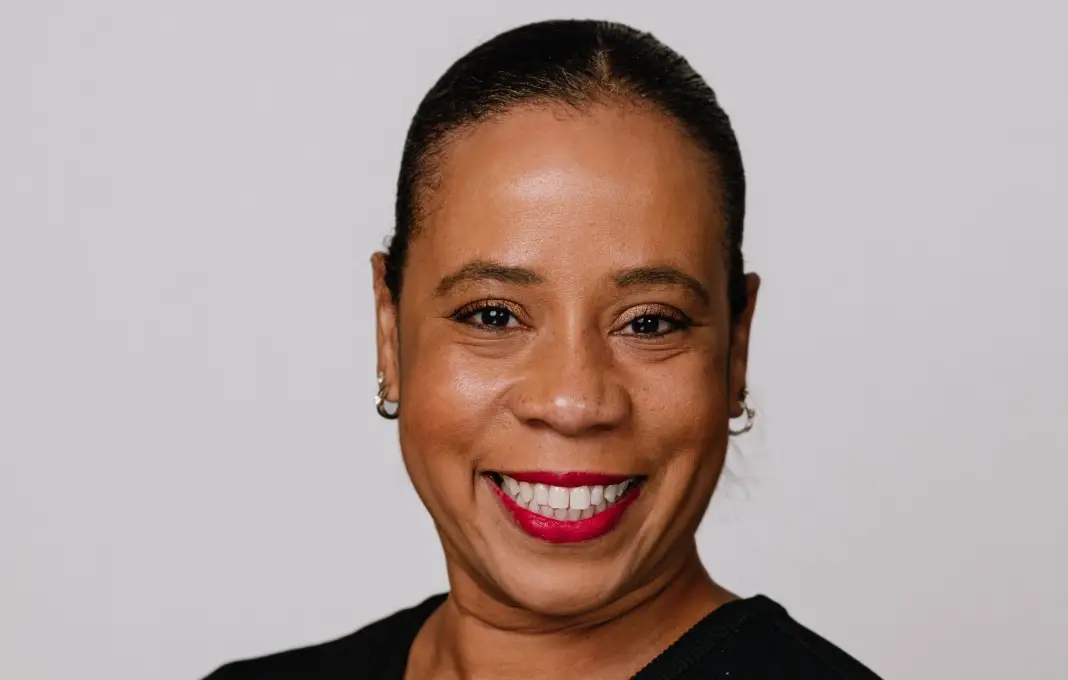
That's one of the comments made by veteran finance leader Josette Leslie, CFO of Contentstack, an Austin, Texas-based company that provides a digital content management platform for brands, in a conversation with CFO Leadership.
Leslie talks about which technology excites her the most, how CFOs can best leverage it, and the financial leadership lessons she's learning along the way.
Today's CFOs are responding to rapid changes in technology, market conditions, and investor expectations. From your perspective, what are the emerging trends in our industry that excites or concerns you, and how should finance leaders respond?
One of the most exciting trends I'm seeing is the maturation of financial technology. We are finally moving beyond the hype and realizing the tangible benefits of automation and advanced analytics. This isn't just about having better tools. The way financial functions operate and create value is fundamentally changing.
By automating manual processes like data extraction, reconciliation, and basic reporting, you free up your team to focus on higher-value activities and deliver insights when it's most actionable.
Trends and anomalies can now be identified as they occur, rather than being discovered weeks later in retrospective reports. This speed of insight directly translates into faster, more informed decision-making across the organization.
However, this trend requires CFOs to fundamentally rethink their team's skill sets and roles. We need to put more emphasis on analytical thinking and business partnerships, and invest in upskilling our employees. It also means being more selective with your technology investments, choosing solutions that not only digitize existing inefficient processes but also integrate well and actually solve real problems.
Leaders who embrace this change while carefully managing the human element of change will create a significant competitive advantage through better and faster financial insights.
You've been heavily involved in high-growth companies like Contentstack. What is unique about being the CFO of this type of organization? How should the CFO support strategic growth?
Being the CFO of a high-growth company is like changing a tire on a car while it's running. You need to constantly adapt your financial infrastructure to maintain momentum. This role requires a unique dual focus: meticulously managing today's cash flow and runway while building robust financial systems and processes for tomorrow.
What makes this particularly difficult is balancing competing priorities. You are both an enabler of growth and an advocate of financial discipline. On the one hand, we provide leadership to drive expansion through strategic investments, financing, and resource allocation. On the other hand, you are the steward of sustainability, ensuring that burn rates match milestones and that rapid scaling does not compromise unit economics.
The speed of decision-making is also unique. In high-growth environments, financial decisions are often made using incomplete data because waiting for complete information means missed opportunities. This requires developing strong judgment about which risks are worth taking and building financial models that can quickly adapt to changing assumptions.
You've worked across multiple sectors, including banking, fintech, and content management. What was a pivotal moment or decision that taught you an important lesson about leadership? How did it shape your approach today?
Working across multiple sectors has taught me that the true test of true leadership is during recessions. I have observed that the best leaders remain consistent in their values and approach, regardless of market conditions. Even when they find themselves in difficult situations, they don't become different people. This fundamentally shaped the way I do things today. I learned to be optimistic and not lose sight of reality. When faced with a challenge, I make the situation transparent, but focus on solutions and opportunities within the constraints.
Additionally, our cross-sector experience has shown us that even though industries may differ, the fundamental leadership principles remain the same. Whether in banking, fintech, or content management, people respond to clarity, honesty, and decisive action. I learned to quickly discern between the universal and the field-specific, allowing me to adapt my approach while staying true to core leadership principles.
Perhaps most importantly, we've seen how different industries deal with risk and uncertainty. This allows us to tolerate ambiguity while providing the stability and direction our team needs. As a leader, I have learned that emotional attitudes set the tone for the entire organization, especially during times of uncertainty.
This perspective helps build resilience in both your financial plans and your team culture, ensuring you're prepared for a variety of scenarios while maintaining the confidence you need to execute your growth strategy.
Looking back over your 25+ year career in the financial industry, what is the one piece of advice you would give to up-and-coming professionals aspiring to the CFO role? What mindset or skill set has most helped you prepare for the leadership challenges that come with the job?
My advice to aspiring CFOs is to master the art of storytelling with data. As financial professionals, we are ultimately translators. It takes financial information and business decisions and transforms them into compelling stories that drive action.
This storytelling ability transforms you from a number cruncher to a strategic business partner. Being able to articulate not just what the numbers say, but what they mean for your business and what action you should take, can give you influence far beyond your formal authority.
Develop your communication skills as your superpower. Practice explaining financial concepts to a non-financial audience. Learn how to lead with business impact and support it with data.
We also encourage aspiring CFOs to actively seek out cross-functional opportunities. Work closely with sales, operations, and product teams. Understand how their decisions affect financial outcomes. This context makes the storytelling more relevant and the recommendations more actionable.
