


What's next after tariffs? Few people would try to predict with certainty. And that's just one of the volatile economic and geopolitical challenges organizations are grappling with today.
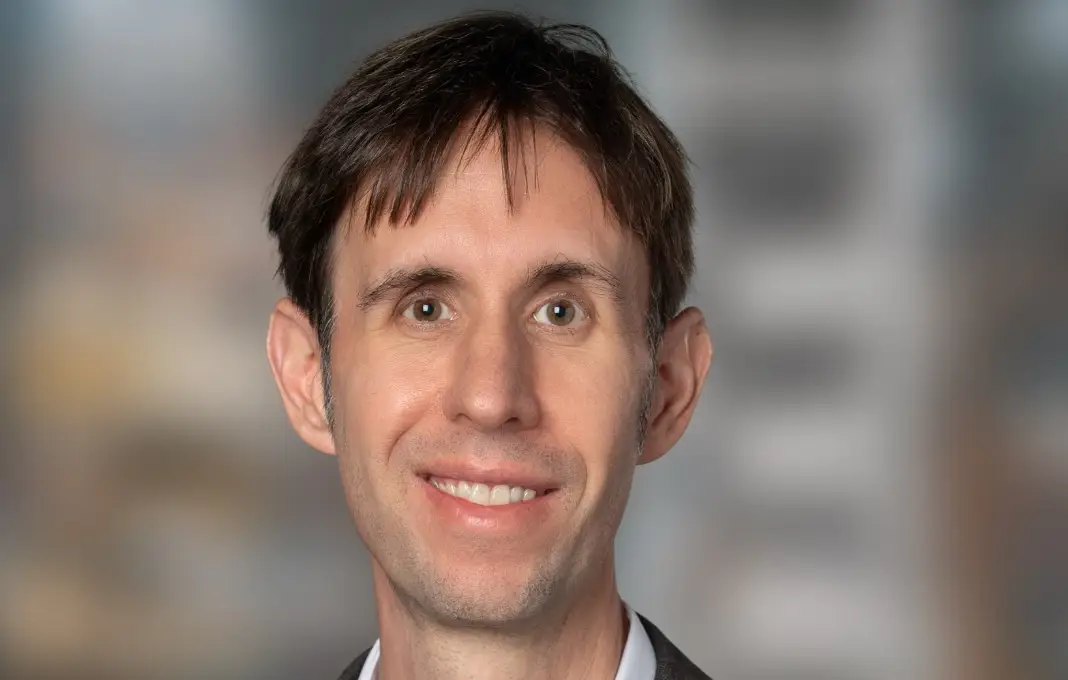
Guido Franzen, CFO of Atlanta-based supply chain software company GreyOrange, feels your pain. He spoke to CFO Leadership about the challenges ahead and how finance leaders can best navigate this uncertain environment.
What are the biggest regulatory challenges that CFOs have to manage these days?
The most significant regulatory challenge is the imposition of trade tariffs, which have a significant impact on working capital and seasonal planning cycles. Changing rates make it difficult for businesses to make accurate forecasts and operational plans.
CFOs play a critical role in navigating their organizations through this new economic environment. GreyOrange is reevaluating its supply chain and exploring new partnerships in countries with low tariffs. We also work closely with our customers and vendors to share cost impacts and minimize the impact on end-user pricing.
Another regulatory trend worth noting is the increasing complexity of privacy regulations. At many companies, including GreyOrange, the finance department oversees the legal department. When cloud-based or SaaS companies enter new international markets, they often have to deal with a complex new set of local privacy laws and regulations and ensure their infrastructure is compliant. These initiatives have significant financial and legal implications, making them areas of focus for CFOs.
What are some ways CFOs can manage investments in future technologies while preserving capital in an uncertain environment?
Look for ways to automate it step by step. Don't think you need to do everything at once. This is especially important for retail CFOs, given the rapidly changing industry landscape. Analyze inventory nodes holistically and take a nuanced approach. Automation, such as AMR-assisted picking, allows for rapid efficiency gains without having to renovate the entire warehouse.
Another capital preservation strategy for retail CFOs is to fulfill e-commerce orders from physical stores. For many retailers, a “ship from store” option can be a powerful weapon against online-only competitors. Fashion retail, in particular, is rapidly aging, with the majority of products ending up in discount stores or ending up in landfills.
Flexible shipping options, combined with smart pricing, can reduce spending on inventory that ultimately needs to be discounted or scrapped. This saves capital for other uses, such as future technology investments.
You've worked for biotech, manufacturing, and smart grid companies, including Siemens. What lessons did you learn along the way?
I learned to manage my finances as an entrepreneur. As a finance leader, you don't just get paid to close the books. You will be compensated for adding value to help your colleagues perform at a high level.
Too many companies confuse quantity with quality when it comes to metrics. I take the time to understand each business unit's strategy and work to develop initiatives that align with their strategic goals. We ask ourselves, are we measuring the right thing? Are we working toward meaningful goals? Are we advancing the company's strategic goals?
We also learned that a close partnership with the CEO is essential. There will be days when the role within your company will be both “growing CFO” and “no CFO.” In either case, it helps a lot if you and the CEO are aligned on priorities.
What advice do you have for aspiring leaders just entering the financial industry?
The CFO role requires both technical and personal skills. When I started my career at Siemens, I must have been intimidated by the idea of taking on such a public role as a senior finance leader or CFO. But it's a skill that needs to be developed. An important aspect of this job is clearly explaining complex financial topics to non-financial professionals.
The more you put yourself forward as a communicator, the faster you will grow as a financial leader. Looking back, I wish I had sought out more speaking opportunities, such as speaking to audiences outside of the finance department.
We also advise finance managers to consider how their role fits into the larger strategy of the business. How do accounting and FP&A add value? As a CFO, I would choose a finance professional who understands the big picture and can dig deep into financial and technical topics when needed.
