


To be successful, public-private organizations must be as agile and financially disciplined as pure commercial enterprises.
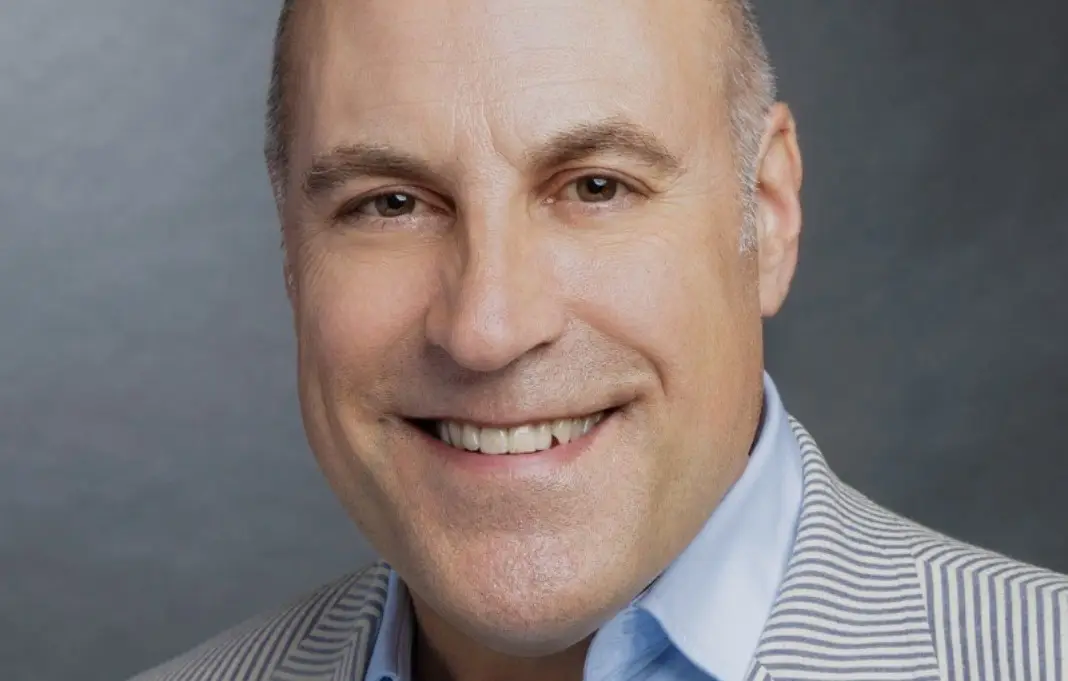
It's a familiar approach to Owen Burwell, chief financial officer of BioMADE (Bioindustrial Manufacturing Design Ecosystem), a Department of Defense-funded institute working to strengthen the nation's bioindustrial manufacturing sector. BioMADE is co-headquartered in Minneapolis and Emeryville, California.
Mr. Burwell, who joins from the U.S. Nuclear Regulatory Commission, brings decades of experience across the federal, public and private sectors spanning the energy, professional services, aerospace, commercial real estate and rail industries. He spoke with CFO leadership about their financial priorities for the year ahead, why data alone is not enough, and the importance of building a culture that “prioritizes informed decision-making.”
What strategic priorities do you focus on as CFO, and how do you align financial and long-term organizational goals?
My priorities are focused on building a resilient financial strategy that aligns with our long-term mission while securing America's future through bioindustry manufacturing innovation, education, and collaboration. As a public-private partnership, BioMADE is not-for-profit in its structure, but its operational philosophy must reflect the agility and discipline of the private sector. This duality is both a promising challenge and an opportunity.
BioMADE's strategic focus is on two fronts. The first is to ensure sustainable financial health, and the second is to position the organization for long-term impact in advancing bioindustrial manufacturing for national security and resilience. To accomplish this, we rigorously apply private sector finance to budgeting, forecasting, and capital planning, while staying grounded in our mission.
We're small enough to be pragmatic and agile, allowing us to embed financial strategy directly into operational decisions, ensuring each dollar invested supports scalable, mission-aligned outcomes.
Ultimately, my role is to ensure BioMADE has the financial transparency, agility, and resilience to fulfill its mission for decades to come.
How do you think the CFO role will evolve in response to the growing demand for data-driven decision-making and cross-functional leadership?
Today's CFO role has evolved far beyond the traditional “bean counter” role I had when I started my career. Today, it's important to be a strategic business partner and a leader who helps shape the direction of your organization.
At BioMADE, we embrace this evolution by investing in technology that automates core business processes and generates high-quality data that drives smart, timely decision-making.
However, data alone is not enough. Combining data with focused action creates meaningful insights and drives change. Good strategy is 10 percent inspiration and 90 percent execution, and execution starts with clean data, smart systems, and a culture that prioritizes informed decision-making.
In a small, complex organization like ours, the CFO's role is hands-on in nature. We're building a finance function that not only ensures sustainability, but also enables the entire organization to make faster, smarter, and more aligned decisions.
Can you tell us about a recent challenge you've faced in driving financial transformation or operational efficiency, and how others can learn from your approach?
One of the biggest challenges BioMADE has faced thus far is building for the future while managing today's demands. As a growing organization, we constantly balance our immediate needs with a vision for the resources we'll need when we triple our current size. This means aligning the right people, the right technology, and the right way of working while staying true to our mission.
I define culture as “the way things are done in this area,” which makes culture difficult to establish and even harder to change. To address this challenge, we are focused on recruiting top talent, investing in automation, and creating incentives to emphasize data-driven decision-making.
But transformation is not just about the tools, it's how people use them. We found that personal connections and collaboration were key. In a small, hands-on environment like BioMADE, progress happens when people come together and move toward a common purpose.
What advice would you give to your fellow CFOs who are looking to build stronger partnerships across the C-suite and with internal stakeholders?
My advice is simple. Start by asking, “How can I help you?” Building trust begins with listening. Once you understand your colleague's needs, you can help them navigate policies and constraints, and if necessary, clarify what's not possible while operating with empathy and clarity.
As with any situation, there are some things you can't control, but you can always show up as a contributing partner to improve both your IQ and EQ. Read the room, understand what's important to your colleagues, and translate how finance can support your goals while maintaining compliance guardrails. Being helpful without breaking the rules is a balancing act, but it's also where the most meaningful partnerships are built.
