


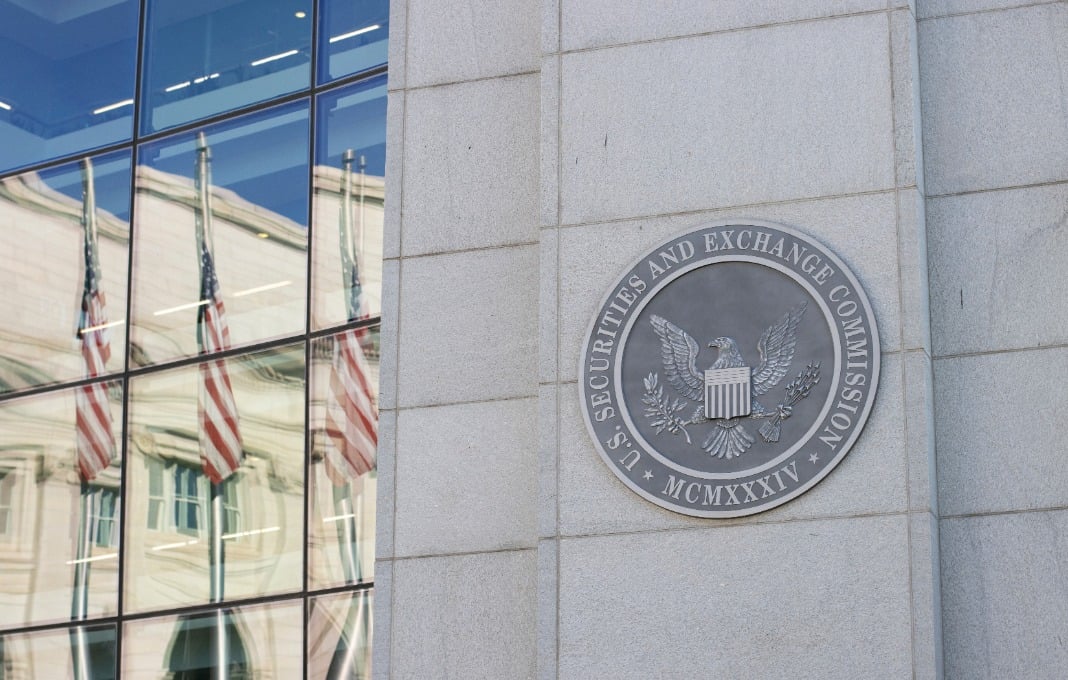
This is an excerpt from the March issue of the Center for Audit Quality's Audit Committee Insights newsletter series. Read the full version of this month's newsletter here. Subscribe Check out this newsletter series for monthly updates and resources for audit committee members.
As audit committees develop their future agendas, they must keep the current priorities of regulators and standard setters foremost in mind. EY's SEC's top priorities It outlines some areas where we expect significant action in 2026 and is well worth a read for the implications for audit committees.
capital formation
This year, the SEC is working to reduce barriers for companies to go public by reducing disclosure burdens, litigation risks, and governance pressures. Anticipated actions include amendments to emerging growth company and filer status requirements, a Rule 144 safe harbor, and modernization of shelf registrations. The SEC is also exploring ways to expand access to capital markets for private companies and small public companies, including expanding access to private markets for individual investors.
For audit committees, this change could impact how companies approach IPO readiness, filer classification, and the scope of required ICFR certification under SOX 404(b).
Disclosure prospects
The SEC is expected to use materiality as a guiding framework to reduce disclosure requirements, and potential changes to periodic reporting requirements are also being considered. Audit committees should pay particular attention to key SEC comment letter themes regarding non-GAAP measures, MD&A clarity, segment reporting and revenue recognition, and ensure that management's disclosure controls are consistent with these trends.
CAQ Latest Information Audit committee transparency barometer It became clear that there was stagnation in key areas of information disclosure. This year, audit committees must continue to increase transparency around their evolving supervisory responsibilities to instill confidence in evolving disclosures.
Shareholder proposals, proxy advisors and litigation
Organizations can look forward to moves to modernize shareholder proposal rules, such as allowing certain proposals to be excluded from proxy statements. SEC Chairman Atkins has signaled plans to address the outsized influence of proxy advisors on business decisions. The recently issued Compliance and Disclosure Interpretation clarifies the scope of shareholder activities, a change that is expected to have a significant impact on how investors interact with public companies.
The move highlights that formal corporate disclosure is becoming more important as other channels for shareholder outreach may be narrowed. Audit committees need to factor these dynamics into their proxy disclosure review processes this season.
crypto assets
As the cryptocurrency landscape evolves, the SEC is working toward creating a clear regulatory framework for the issuance, custody, and trading of cryptoassets. This also includes conditional relaxation of crypto projects while the rules are still under development. In January 2026, the SEC issued joint guidance clarifying the application of federal securities laws to tokenized securities and establishing a taxonomy that distinguishes between securities tokenized by an issuer and securities tokenized by an unrelated third party.
Audit committees are responsible for ensuring that companies have a robust digital asset strategy, that the committee has the appropriate expertise to understand this activity, and that they oversee the strategy regarding new digital asset-related activities. CAQ Auditor’s role in digital assets is a helpful resource that explores how public company auditors are adapting, including considerations and opportunities for boards to increase transparency.
The future of execution
These priorities represent a shift away from enforcement regulation, with a focus on fraud, market manipulation, and direct harm to investors. This ensures that strong fraud oversight remains a priority for audit committees, even as the overall enforcement structure changes.
These developments have a tangible impact on how audit committees approach oversight, disclosure reviews, and risk oversight in the year ahead. For additional information, see recent publications from KPMG and Deloitte for additional perspectives on the state of board governance in 2026.
